

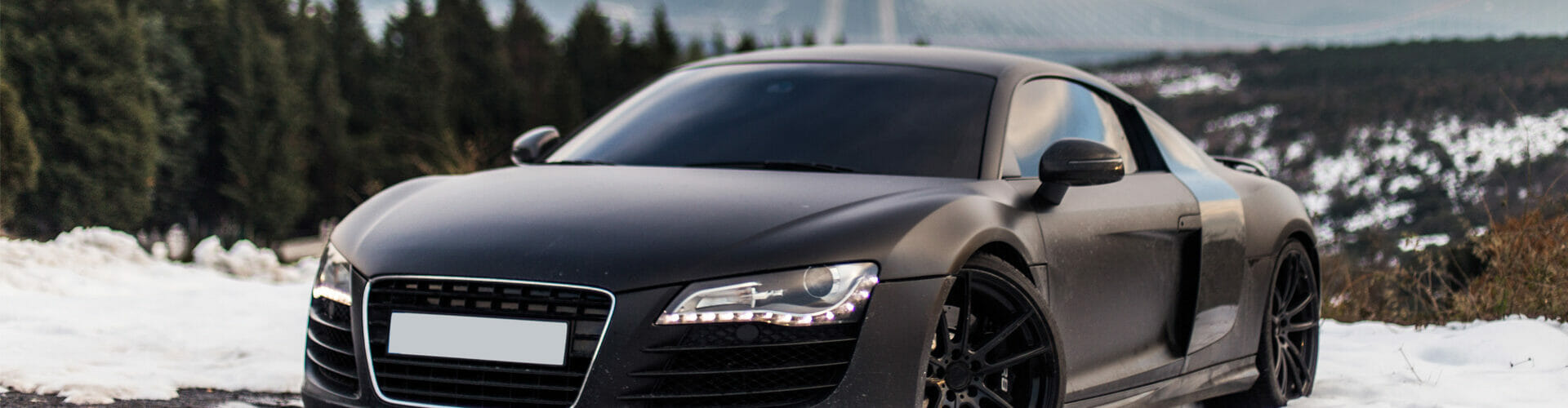
The EU Parliament has officially approved a new law that effectively bans the sale of new petrol, diesel and hybrid cars and light commercial vehicles from 2035, wherefore creating a de-facto mandate to auto manufacturers to cease from producing these types of vehicles, and go all-in electric and other alternative energy sources.
The legislation passed with 340 yeas against 279 nays, with 21 ‘no votes/abstentions.’
The law requires that manufacturers must achieve 100% CO2 emission-free sold from new cars by 2035. ‘It sets an intermediate target of a 55% reduction in CO2 emissions for cars compared with 2021 levels and a 50% reduction for vans by 2030,’ according to Autocar.
Autocar added: ‘Low-volume manufacturers – those producing 1000 to 10,000 new cars or 1000 to 22,000 new vans per year – may be given an exemption from the rules until the end of 2035. Those registering fewer than 1000 new vehicles annually will continue to be exempt thereafter.’
By 2025 the European Commission will provide procedures for gauging and reporting the lifespan of CO2 emissions of new cars and vans. Each two years thereafter a report will be published to judge the EU’s progress towards zero-emissions road mobility. By December 2026 they will examine the void between the legally determined emissions caps and real-world fuel and energy consumption stats, and then will formulate new procedures for adjusting manufacturers’ specific CO2 emissions.
‘Existing incentives for manufacturers selling more zero- and low-emissions vehicles (0-50g/km of CO2) will be adapted in line with sales trends, said the EU Parliament in a statement. These are expected to fall as uptake of battery-electric and plug-in hybrid vehicles increases,’ Autocar also noted.
This regulation encourages the production of zero- and low-emission vehicles. It contains an ambitious revision of the targets for 2030 and a zero-emission target for 2035, which is crucial to reach climate-neutrality by 2050.
These targets create clarity for the car industry and stimulate innovation and investments for car manufacturers.
Purchasing and driving zero-emission cars will become cheaper for consumers and a second-hand market will emerge more quickly. It makes sustainable driving accessible to everyone.
Jan Huitema, the EU Parliament’s lead negotiator for the law, said in a statement
Frans Timmermans, vice-president of the EU, added:
Let me remind you that between last year and the end of this year China will bring 80 models of electric cars to the international market,” warned Frans Timmermans, vice-president of the EU.
These are good cars. These are cars that will be more and more affordable, and we need to compete with that. We don’t want to give up this essential industry to outsiders.
He said, according to Complete Car
Speaking in Strasbourg where the vote took place, Irish Green Party MEP, Grace O’Sullivan championed the move.
Today we set out a new vision for our towns and rural areas. A Europe built for people, not for traffic.
It’s also one of the only areas where we already hold all of the keys to solve the issue at hand – strong investment in public transport, pedestrian friendly towns and affordable electric vehicles. Rural Ireland in particular should be supported as a priority.
The current cost of living crisis has seen fossil fuel companies make the biggest profits in history on the backs of working families. We need to move towards energy independence in Ireland, including cutting our dependence on foreign oil, gas, petrol and diesel.
She said
Furthermore, cited by AFP, Karima Delli, chair of the transport committee, said: “Today’s vote is a historic vote for the ecological transition,” and “it is a victory for our planet and our populations”
This bill will officially be codified into law later this March by the Council of the European Union.
Meanwhile the United Kingdom, though they are not part of the EU, have been making similar moves to wrangle in emissions. In 2021 The WinePress reported that governors and transportation officials in the country have floated out the possibility that they could prohibit the private ownership of vehicles – which is an underlying goal the World Economic Forum has flaunted by the year 2030.
Not long thereafter the mayor of London has also sought to implement a “pay-per-mile” tax to force people to travel less to cutback on emissions.
Last year in the United States California passed an identical bill to that of the one the EU just passed, which also prohibits the sale of gas and diesel vehicles by 2035. However, other states followed in lockstep because they had agreed to do what California does years prior as concerning emissions.
Therefore, just like now in the EU, car manufacturers are basically already making the transition to do fully-electric year-over-year. Thus, most Western auto manufacturers and traders will already be going fully electric within the next several years completely.
However, there is a bit of a problem. In December of last year Switzerland has actually considered temporarily banning the use of electric cars because the grid was being overworked and the nation was fearful that they would have to cut costs somewhere. “The private use of electric cars is only permitted for mandatory journeys (i.e. Professional practice, shopping, visits to the doctor, attending religious events, taking court appointments),” the drafted bill read.
SEE: The United Nations Says Used Cars Need To Be Scrapped To Stop Emissions By 2030 & 2050
AUTHOR COMMENTARY
Counsel in the heart of man is like deep water; but a man of understanding will draw it out.
Proverbs 20:5
I have said it many times before and I will say it again: the goal is NOT to go electric; the REAL goal is to destabilize the current framework by pricing out the consumer, destroy the grid, and ultimately prohibit private ownership.
One week after California passed their monumental auto emissions bill, the state then passed a bill that would give Californians a $1,000 check for NOT owning any car, including electric! That reveals that real goal.
Have you not heard – “You’ll own nothing and be happy!,” they say.
Electric cars are already more expensive right now, and will continue to rise due to inflation, supply chain rifts, and the bills to charge them are enormous, and their “miles per gallon” are clearly less than a gas car. But this is on purpose. Once less newer gas cars appear on the lot consumers will be bottlenecked and forced to go even deeper into debt, or own no car.
The WEF wrote in an essay:
Welcome to the year 2030. Welcome to my city – or should I say, “our city”. I don’t own anything. I don’t own a car. I don’t own a house. I don’t own any appliances or any clothes.
It might seem odd to you, but it makes perfect sense for us in this city. Everything you considered a product, has now become a service. We have access to transportation, accommodation, food and all the things we need in our daily lives. One by one all these things became free, so it ended up not making sense for us to own much.
First communication became digitized and free to everyone. Then, when clean energy became free, things started to move quickly. Transportation dropped dramatically in price. It made no sense for us to own cars anymore, because we could call a driverless vehicle or a flying car for longer journeys within minutes. We started transporting ourselves in a much more organized and coordinated way when public transport became easier, quicker and more convenient than the car. Now I can hardly believe that we accepted congestion and traffic jams, not to mention the air pollution from combustion engines. What were we thinking?
[7] Who goeth a warfare any time at his own charges? who planteth a vineyard, and eateth not of the fruit thereof? or who feedeth a flock, and eateth not of the milk of the flock? [8] Say I these things as a man? or saith not the law the same also? [9] For it is written in the law of Moses, Thou shalt not muzzle the mouth of the ox that treadeth out the corn. Doth God take care for oxen? [10] Or saith he it altogether for our sakes? For our sakes, no doubt, this is written: that he that ploweth should plow in hope; and that he that thresheth in hope should be partaker of his hope. (1 Corinthians 9:7-10).
The WinePress needs your support! If God has laid it on your heart to want to contribute, please prayerfully consider donating to this ministry. If you cannot gift a monetary donation, then please donate your fervent prayers to keep this ministry going! Thank you and may God bless you.





Everything is very open and very clear explanation of issues. was truly information. Your website is very useful. Thanks for sharing.
숙소 위치에 맞춰 이동 동선과 귀가 방법까지 확인하면 일정 잡기가 수월하겠네요. 제주 가라오케 이용 안내에도 위치와 이용 조건을 확인하는 방법이 나와 있습니다.
I gotta favorite this internet site it seems handy very useful
you could have an ideal blog right here! would you wish to make some invite posts on my blog?
Very nice article and straight to the point. I don’t know if this is actually the best place to ask but do you people have any ideea where to hire some professional writers? Thank you 🙂
Hey, you used to write fantastic, but the last few posts have been kinda boringK I miss your super writings. Past few posts are just a little out of track! come on!
I’ve recently started a blog, the information you provide on this website has helped me tremendously. Thanks for all of your time & work.
We’re a gaggle of volunteers and opening a new scheme in our community. Your website offered us with valuable information to paintings on. You have performed an impressive task and our whole community will probably be grateful to you.
Very excellent visual appeal on this site, I’d value it 10 10.
whoah this blog is excellent i love reading your articles. Keep up the great work! You know, a lot of people are looking around for this information, you could help them greatly.
I truly appreciate your piece of work, Great post.
I really wanted to develop a small message to appreciate you for some of the stunning items you are giving out on this website. My rather long internet look up has at the end of the day been rewarded with really good ideas to go over with my friends and family. I would point out that we website visitors are very endowed to live in a notable network with very many perfect individuals with good suggestions. I feel very fortunate to have come across your entire web pages and look forward to plenty of more pleasurable minutes reading here. Thanks once again for all the details.
My partner and I stumbled over here by a different page and thought I might as well check things out. I like what I see so i am just following you. Look forward to looking into your web page again.
Hi my friend! I wish to say that this post is amazing, great written and come with almost all important infos. I’d like to peer more posts like this.
Some genuinely wonderful information, Gladiolus I found this. “Genius is one of the many forms of insanity.” by Cesare Lombroso.
Very interesting details you have mentioned, thanks for putting up. “The biggest fool may come out with a bit of sense when you least expect it.” by Eden Phillpotts.
excellent issues altogether, you simply won a emblem new reader. What may you suggest in regards to your post that you simply made a few days ago? Any certain?
You can certainly see your enthusiasm in the work you write. The world hopes for even more passionate writers like you who are not afraid to say how they believe. Always follow your heart.
Sweet web site, super style and design, very clean and utilize pleasant.
As I website owner I believe the subject material here is real fantastic, regards for your efforts.
I have been absent for a while, but now I remember why I used to love this website. Thanks , I’ll try and check back more often. How frequently you update your website?
You are my inspiration , I possess few web logs and rarely run out from to brand.
I love it when people come together and share opinions, great blog, keep it up.
Dengan segala sesuatu yang tampak sedang dibangun di dalam topik khusus ini, semua pandangan Anda umumnya lumayan menstimulasi. Namun, saya minta maaf, karena saya tidak dapat setuju sepenuhnya pada seluruh teori Anda, meskipun menstimulasi. Tampaknya bagi kami bahwa ulasan Anda tidak sepenuhnya benar-benar dapat dibenarkan dan pada faktanya Anda diri Anda tidak benar-benar sepenuhnya yakin terhadap poin tersebut. Dalam hal apa pun saya menghargai membacanya.
Hello my family member! I wish to say that this post is awesome, nice written and include almost all vital infos. I would like to peer extra posts like this .
I’d incessantly want to be update on new articles on this website , saved to fav! .
I really like your writing style, wonderful information, thanks for putting up :D. “Inquiry is fatal to certainty.” by Will Durant.
Very interesting info!Perfect just what I was searching for!
Thanks for every one of your effort on this website. My aunt delights in setting aside time for internet research and it’s really easy to see why. A number of us know all about the dynamic form you make priceless solutions through this website and even cause response from website visitors on that content while our princess is undoubtedly becoming educated a whole lot. Take pleasure in the rest of the new year. You’re doing a great job.
I was recommended this website through my cousin. I’m now not sure whether or not this put up is written through him as no one else recognise such distinct approximately my problem. You’re incredible! Thanks!
Attractive component to content. I just stumbled upon your site and in accession capital to assert that I get actually enjoyed account your weblog posts. Anyway I will be subscribing on your feeds and even I fulfillment you get admission to consistently fast.
Hi there, i read your blog from time to time and i own a similar one and i was just curious if you get a lot of spam feedback? If so how do you protect against it, any plugin or anything you can advise? I get so much lately it’s driving me mad so any help is very much appreciated.
As I website owner I believe the articles here is rattling fantastic, thankyou for your efforts.
Người dân địa phương thường dùng cả hai từ chè và trà để gọi cùng một sản phẩm: chè thường được dùng để chỉ cây chè, lá chè tươi hoặc trà thành phẩm theo cách gọi dân dã, trong khi trà là cách gọi trang trọng hơn, phổ biến trong giao tiếp và trên bao bì sản phẩm.
Real fantastic information can be found on website.
I think this is one of the such a lot important information for me. And i’m happy reading your article. But want to statement on few general issues, The website style is great, the articles is really great :D. Just right activity, cheers
Good day! This is kind of off topic but I need some guidance from an established blog. Is it very difficult to set up your own blog? I’m not very techincal but I can figure things out pretty quick. I’m thinking about setting up my own but I’m not sure where to begin. Do you have any tips or suggestions? Thanks
What i don’t understood is actually how you’re not really much more well-liked than you might be now. You are very intelligent. You realize thus significantly relating to this subject, made me personally consider it from so many varied angles. Its like women and men aren’t fascinated unless it is one thing to accomplish with Lady gaga! Your own stuffs excellent. Always maintain it up!
Thank you for sharing superb informations. Your web-site is so cool. I’m impressed by the details that you’ve on this site. It reveals how nicely you understand this subject. Bookmarked this web page, will come back for extra articles. You, my pal, ROCK! I found simply the information I already searched everywhere and just couldn’t come across. What a perfect web-site.
Valuable info. Lucky me I found your site by accident, and I am shocked why this accident did not happened earlier! I bookmarked it.
F*ckin’ remarkable things here. I’m very glad to see your post. Thanks a lot and i am looking forward to contact you. Will you please drop me a e-mail?
Thanx for the effort, keep up the good work Great work, I am going to start a small Blog Engine course work using your site I hope you enjoy blogging with the popular BlogEngine.net.Thethoughts you express are really awesome. Hope you will right some more posts.
Thank you, I’ve just been searching for information approximately this topic for a while and yours is the best I’ve found out so far. However, what concerning the conclusion? Are you positive concerning the source?
I discovered your blog site on google and check a few of your early posts. Continue to keep up the very good operate. I just additional up your RSS feed to my MSN News Reader. Seeking forward to reading more from you later on!…
Good write-up, I am regular visitor of one’s website, maintain up the nice operate, and It’s going to be a regular visitor for a lengthy time.
I wanted to thank you for this great read!! I definitely enjoying every little bit of it I have you bookmarked to check out new stuff you post…
I conceive this website has got some really good info for everyone. “Good advice is always certain to be ignored, but that’s no reason not to give it.” by Agatha Christie.
Its like you read my mind! You appear to know a lot about this, like you wrote the book in it or something. I think that you can do with some pics to drive the message home a bit, but other than that, this is great blog. A fantastic read. I will definitely be back.
hello there and thank you for your info – I’ve definitely picked up anything new from right here. I did however expertise a few technical points using this web site, since I experienced to reload the web site lots of times previous to I could get it to load correctly. I had been wondering if your hosting is OK? Not that I’m complaining, but sluggish loading instances times will very frequently affect your placement in google and can damage your high quality score if advertising and marketing with Adwords. Well I am adding this RSS to my e-mail and could look out for much more of your respective fascinating content. Ensure that you update this again soon..
I do love the manner in which you have framed this concern and it does give me a lot of fodder for consideration. However, from just what I have experienced, I simply just trust when the actual feedback pile on that people today continue to be on issue and not get started on a tirade of some other news of the day. All the same, thank you for this outstanding piece and whilst I do not concur with this in totality, I regard your viewpoint.