The following report is by OilPrice.com:
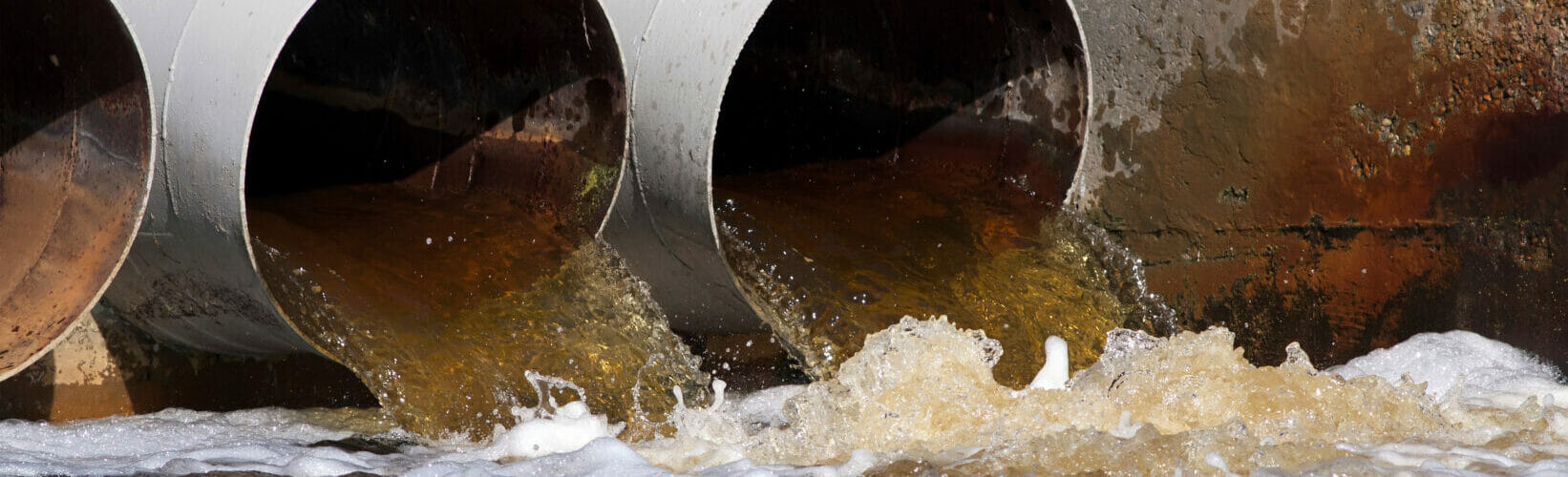
Many years ago a civil engineer explained to me the wisdom of taking solid biological residues from sewage treatment plants—dubbed biosolids—and using them on farm fields and garden plots. After all, nature intended for human wastes to return to the soil to replenish it in the same way animal manure has long been used to fertilize farm fields.
“What about all the industrial chemicals that end up in wastewater,” I asked. He replied that these weren’t significant enough to be concerned. I was skeptical.
Fast forward to last week when the U.S. Congress took up a proposal to allocate $500 million to compensate farmers whose livelihoods have been undermined by applying biosolids—what most of us call sewage sludge—to their cropland. It turns out that those biosolids have poisoned both land and livestock across the United States. The ostensible concern is so-called “forever chemicals,” ones used to make such products as Teflon, firefighting foam, stain-resistant upholstery and water-resistant sports gear. These chemicals are linked to “cancer, liver damage, decreased fertility, and increased risk of asthma and thyroid disease.” They are dangerous to human and animal health even at very low levels. The U.S. Environmental Protection Agency (EPA) this year proposed limiting certain of these chemicals to less than 10 parts per trillion in drinking water. In two cases, the proposed limit is 4 parts per trillion.
A recent study of 2,500 human subjects showed that nearly all of them have PFAS chemicals—the formal name for this group of chemicals which number in the thousands—in their blood. Some 1,593 water systems in the United States are known so far to be contaminated. These chemicals ought to have the description “everywhere chemicals” added to their name.
But believe it or not, this is just the tip of the iceberg when it comes to contamination of biosolids. A 2022 report on chemicals found by EPA’s examination of biosolids around the country lists 726 chemicals. These include chemicals used in pesticides, drugs, cosmetics, and flame retardants as well as dioxins and polychlorinated biphenyls (widely used in electric transformers and highly carcinogenic).
For many years the EPA has assured farmers that biosolids are safe. The agency is still promoting them as a way to improve the fertility of the soil. (Inquisitive readers might like to know that organic agriculture regulations prohibit the use of biosolids or sewage sludge of any kind.)
The biosolids issue demonstrates clearly why the so-called circular economy is an impossibility in a modern industrial society. The chemicals produced by the modern economy are too many—over 150,000 by a recent count—and too easily dispersed to be segregated from the waste stream.
That’s just the way the chemical industry likes it. It would be exceedingly expensive to prevent all leakage of toxic chemicals into the environment—and downright counterproductive in the case of pesticides and herbicides which must be broadly dispersed to be effective. And, it would be considerably more expensive to find substitutes that are nontoxic and biodegradable. No one in the chemical industry is going to do either of these things if they don’t have to.
Ask yourself how many times the chemical industry and their mouthpieces in universities have told us not worry about chemicals in the environment. The concentrations are too small to hurt us, they say. Then, ask yourself whether you want to sit down to a meal of grains grown using biosolids and meat and milk products from animals dining on those same grains. Yum!
AUTHOR COMMENTARY
I have written up other articles about these biosolids – a fancy word that means toxic sludge and sewer waste that is spreading on crops and the fields, and contaminates out water supply, and nothing is being done to stop it. Compensating the farmers is nice and all but it does not stop the problem at the root source, and so corporations will continue to do this often unabated.
Revelation 11:18 And the nations were angry, and thy wrath is come, and the time of the dead, that they should be judged, and that thou shouldest give reward unto thy servants the prophets, and to the saints, and them that fear thy name, small and great; and shouldest destroy them which destroy the earth.
SEE: Wisconsin Becomes 20th State To Dump Human Remains In Sewers And For Fertilizers
Maine And Vermont Prohibit “Forever Chemicals” And “Biosludge” Usage
Los Angeles And Southern California Counties To Recycle Biosludge For Drinking Water
[7] Who goeth a warfare any time at his own charges? who planteth a vineyard, and eateth not of the fruit thereof? or who feedeth a flock, and eateth not of the milk of the flock? [8] Say I these things as a man? or saith not the law the same also? [9] For it is written in the law of Moses, Thou shalt not muzzle the mouth of the ox that treadeth out the corn. Doth God take care for oxen? [10] Or saith he it altogether for our sakes? For our sakes, no doubt, this is written: that he that ploweth should plow in hope; and that he that thresheth in hope should be partaker of his hope. (1 Corinthians 9:7-10).
The WinePress needs your support! If God has laid it on your heart to want to contribute, please prayerfully consider donating to this ministry. If you cannot gift a monetary donation, then please donate your fervent prayers to keep this ministry going! Thank you and may God bless you.